Why an Injured Joint Can Feel Weak and Unstable Long After It's Actually Fully Healed
A previously injured ankle or knee that’s been medically cleared and shows no remaining tissue damage on imaging can still feel weak, wobbly or untrustworthy during actual movement, which is a specific and common gap between tissue healing and felt confidence that has its own real explanation. Here is why lingering weakness or hesitation reflects a nervous system trust issue rather than incomplete physical healing, the specific mechanism behind that gap, and the training approach that actually rebuilds real confidence in the joint.

Why Lingering Weakness Reflects a Nervous System Trust Issue Rather Than Incomplete Healing
The core distinction: the tissue-healing-and-nervous-system-confidence-in-a-joint-are-two-genuinely-separate-processes-that-dont-necessarily-resolve-on-the-same-timeline-even-though-they-are-frequently-conflated-as-one-single-recovery-process (the the specific and important distinction between two genuinely separate recovery processes that people often assume are the same thing, from the psychology-of-trusting-an-injured-part-again-guide logic — the tissue-healing-itself-and-genuine-nervous-system-confidence-in-a-given-joint-are-two-genuinely-separate-and-distinct-underlying-processes-that-do-not-necessarily-resolve-on-the-exact-same-timeline-even-though-the-two-are-frequently-and-mistakenly-conflated-together-as-one-single-unified-recovery-process), the the-the-nervous-system-retains-a-protective-memory-of-the-original-injury-event-that-can-persist-well-after-the-actual-tissue-damage-has-fully-and-completely-resolved-medically-and-structurally (the the nervous system’s own protective memory functioning independently of the tissue’s actual physical status, which explains why the felt experience can lag behind the medical clearance — the the-nervous-system-genuinely-retains-a-real-protective-memory-of-the-original-injury-event-itself-that-can-persist-well-and-noticeably-after-the-actual-underlying-tissue-damage-has-already-fully-and-completely-resolved-both-medically-and-structurally-according-to-imaging-and-clinical-assessment), and the reframe (the lingering feeling of weakness or instability as reflecting a genuinely real and separate nervous-system-level recovery process that lags behind tissue healing — not evidence that the injury hasn’t actually healed, and not something to dismiss as purely psychological either)).

The Specific Mechanism Behind That Gap
Digging into why the trust gap persists: the proprioceptive-feedback-and-joint-position-sense-around-an-injured-area-can-remain-measurably-altered-for-a-period-after-tissue-healing-is-otherwise-complete-contributing-directly-to-the-felt-sense-of-instability-even-when-the-joint-is-structurally-sound (the a specific measurable neurological deficit distinct from tissue status, directly explaining the felt instability through an actual physiological mechanism rather than pure psychology — the proprioceptive-feedback-and-overall-joint-position-sense-specifically-around-a-previously-injured-area-can-genuinely-remain-measurably-altered-for-a-real-period-of-time-after-tissue-healing-is-otherwise-fully-complete-contributing-directly-and-measurably-to-the-felt-sense-of-instability-even-when-the-joint-itself-is-already-fully-structurally-sound), the the-a-natural-and-protective-hesitation-or-guarding-pattern-around-movements-that-resemble-the-original-injury-mechanism-can-persist-and-itself-produce-a-genuinely-felt-sensation-of-weakness-that-isnt-actually-reflecting-any-remaining-real-muscular-weakness-at-all (the the behavioral guarding pattern itself producing the felt sensation of weakness independent of actual muscular capacity, an important distinction for interpreting the felt experience correctly — the a-genuinely-natural-and-protective-hesitation-or-active-guarding-pattern-specifically-around-movements-that-closely-resemble-the-original-injury-mechanism-can-genuinely-persist-well-after-healing-and-can-itself-produce-a-real-and-genuinely-felt-sensation-of-weakness-that-isnt-actually-reflecting-any-remaining-real-underlying-muscular-weakness-at-all), and the frame (the deeper mechanism as measurably altered proprioceptive feedback persisting for a real period after tissue healing, plus a protective hesitation or guarding pattern that itself produces a felt sensation of weakness independent of actual muscle capacity — a genuine, multi-layered explanation for the specific trust gap, not an unexplained or purely emotional symptom).
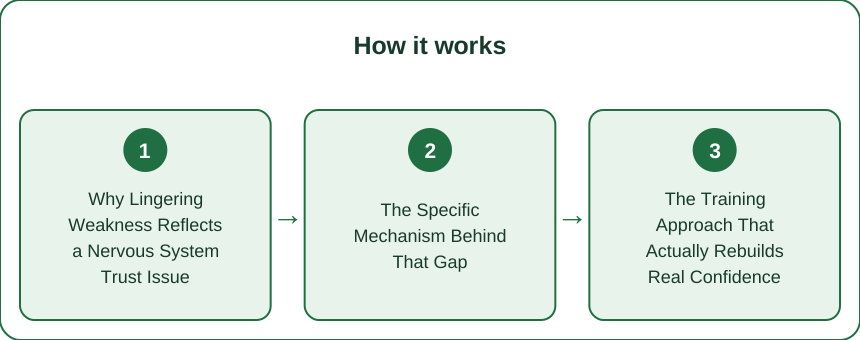
The Training Approach That Actually Rebuilds Real Confidence in the Joint
What actually closes the gap: the incorporate-specific-proprioceptive-and-balance-training-targeting-the-previously-injured-joint-directly-rather-than-only-general-strength-training-since-the-proprioceptive-deficit-is-a-distinct-issue-that-general-strength-work-alone-doesnt-fully-address-from-the-ankle-sprain-recovery-timeline-guide-logic (the targeting the specific proprioceptive deficit directly with dedicated training, since general strength work alone addresses a different part of the recovery gap — the incorporating-specific-and-deliberately-targeted-proprioceptive-and-balance-training-directly-focused-on-the-previously-injured-joint-rather-than-relying-only-on-general-overall-strength-training-since-the-specific-proprioceptive-deficit-already-discussed-is-a-genuinely-distinct-issue-that-general-strength-work-alone-does-not-fully-and-directly-address), the the-gradually-and-progressively-reintroduce-the-specific-movement-patterns-that-resemble-the-original-injury-mechanism-in-a-controlled-and-genuinely-safe-context-specifically-to-give-the-nervous-system-repeated-safe-evidence-that-contradicts-its-retained-protective-memory (the deliberately confronting the specific protective memory with repeated safe evidence, a direct approach to resolving the guarding pattern already discussed rather than simply avoiding the triggering movement indefinitely — the deliberately-and-gradually-progressively-reintroducing-the-specific-movement-patterns-that-most-closely-resemble-the-original-injury-mechanism-in-a-genuinely-controlled-and-truly-safe-training-context-specifically-in-order-to-give-the-nervous-system-repeated-safe-evidence-that-directly-contradicts-and-eventually-overrides-its-already-retained-protective-memory-of-the-original-injury), the the-track-actual-objective-performance-metrics-during-this-rebuilding-process-rather-than-relying-solely-on-subjective-felt-confidence-since-objective-improvement-often-precedes-the-felt-sense-of-trust-catching-up-to-match-it-from-the-comeback-mental-game-guide-logic (the using objective performance tracking to reveal real progress the subjective feeling hasn’t yet caught up to, a useful and motivating cross-check on the rebuilding process itself — the tracking-actual-objective-performance-metrics-consistently-throughout-this-entire-rebuilding-process-rather-than-relying-solely-and-exclusively-on-subjective-felt-confidence-alone-since-objective-measurable-improvement-quite-often-genuinely-precedes-the-felt-subjective-sense-of-trust-actually-catching-up-to-match-that-real-underlying-improvement), and the frame (the effective rebuilding approach as targeted proprioceptive and balance training specifically for the previously injured joint, gradual controlled reintroduction of the specific movement pattern that resembles the original injury to give the nervous system contradicting safe evidence, and tracking objective performance to reveal progress the subjective feeling hasn’t caught up to yet — a genuine process for closing the nervous-system trust gap rather than simply waiting for it to resolve on its own over time).
A joint that’s medically cleared and shows no remaining tissue damage can still feel weak or unstable because tissue healing and nervous system confidence in that joint are two genuinely separate recovery processes that don’t necessarily resolve on the same timeline — the nervous system retains a real protective memory of the original injury that can persist well after structural healing is complete. This gap has a concrete physiological basis: proprioceptive feedback and joint position sense around the injured area can remain measurably altered for a period after tissue healing, and a natural protective hesitation or guarding pattern around movements resembling the original injury mechanism can itself produce a genuinely felt sensation of weakness that doesn’t reflect any actual remaining muscular deficit. Close that gap with training that specifically targets proprioception and balance around the previously injured joint rather than relying only on general strength work, gradually and deliberately reintroducing the specific movement pattern that resembles the original injury in a controlled safe context to give the nervous system repeated evidence that contradicts its retained protective memory, and tracking objective performance metrics throughout, since measurable improvement often precedes the felt sense of trust actually catching up to match it.
Keep Reading
This article is for general informational purposes only and is not medical advice. Always consult a qualified health professional for guidance specific to you.