The Tests That Actually Prove You're Ready to Return to Sport
Quick Answer: Real return-to-sport clearance uses objective functional tests — single-leg hop distance compared side-to-side, strength symmetry (usually requiring at least 90% compared to the uninjured side), and sport-specific movement quality — not just the absence of pain, since pain-free doesn’t mean the tissue can handle real athletic load yet.
No pain during walking feels like a green light. It usually isn’t one.
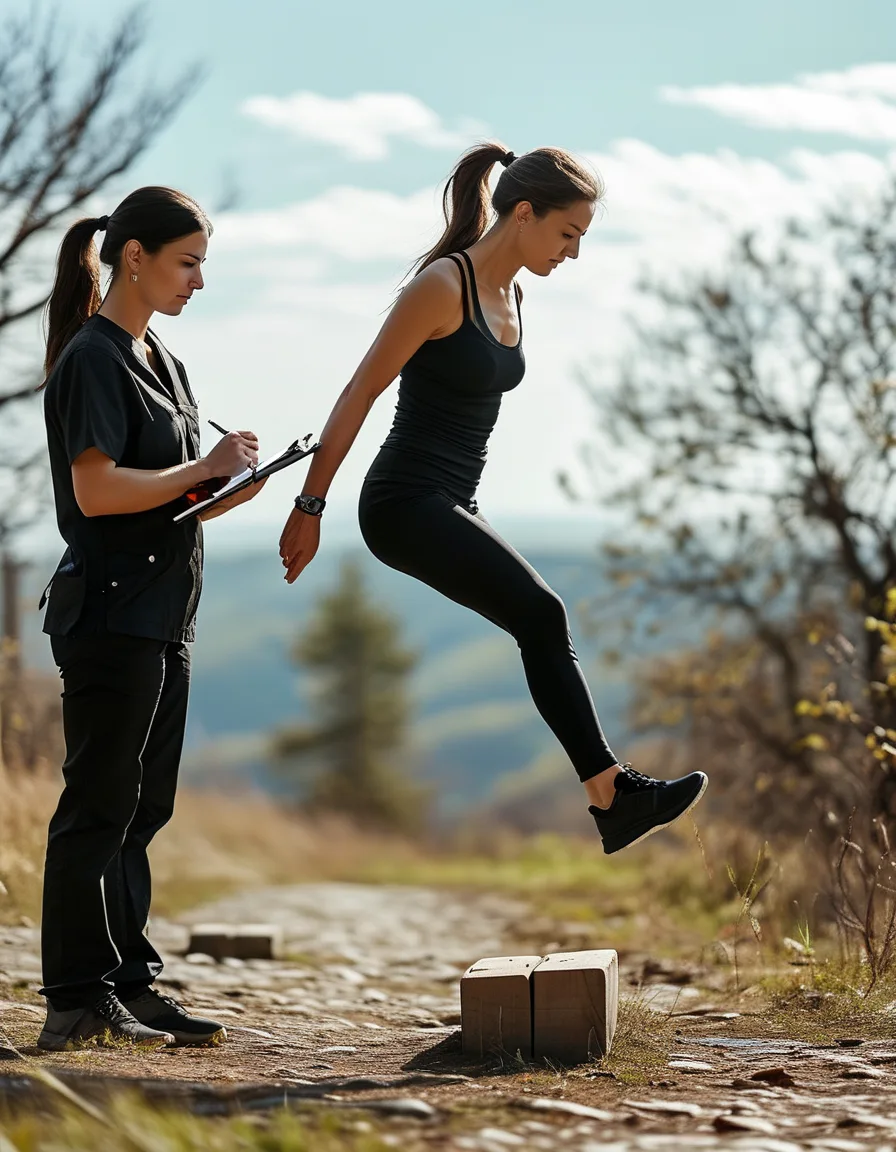
Why isn’t ‘no pain’ enough to return to sport?
Pain during daily movement and pain during sport-specific loads — cutting, jumping, sprinting, sudden direction changes — are tested at completely different intensities, and many healing tissues tolerate the former long before they can handle the latter.
Returning based on pain alone is one of the most common reasons for re-injury, because it skips the step of actually confirming the tissue can handle sport-level forces.
What is the single-leg hop test and why does it matter so much?
It’s exactly what it sounds like: hopping as far as possible on one leg and measuring the distance, then comparing that to the uninjured leg. Most protocols look for the injured leg to reach at least 90% of the uninjured leg’s distance before clearing higher-level activity.
It matters because it tests power, single-leg stability, and confidence simultaneously — three things that don’t show up in a simple strength test but absolutely show up the moment someone plants and cuts on a field or court.
What Nobody Tells You About the Confidence Gap
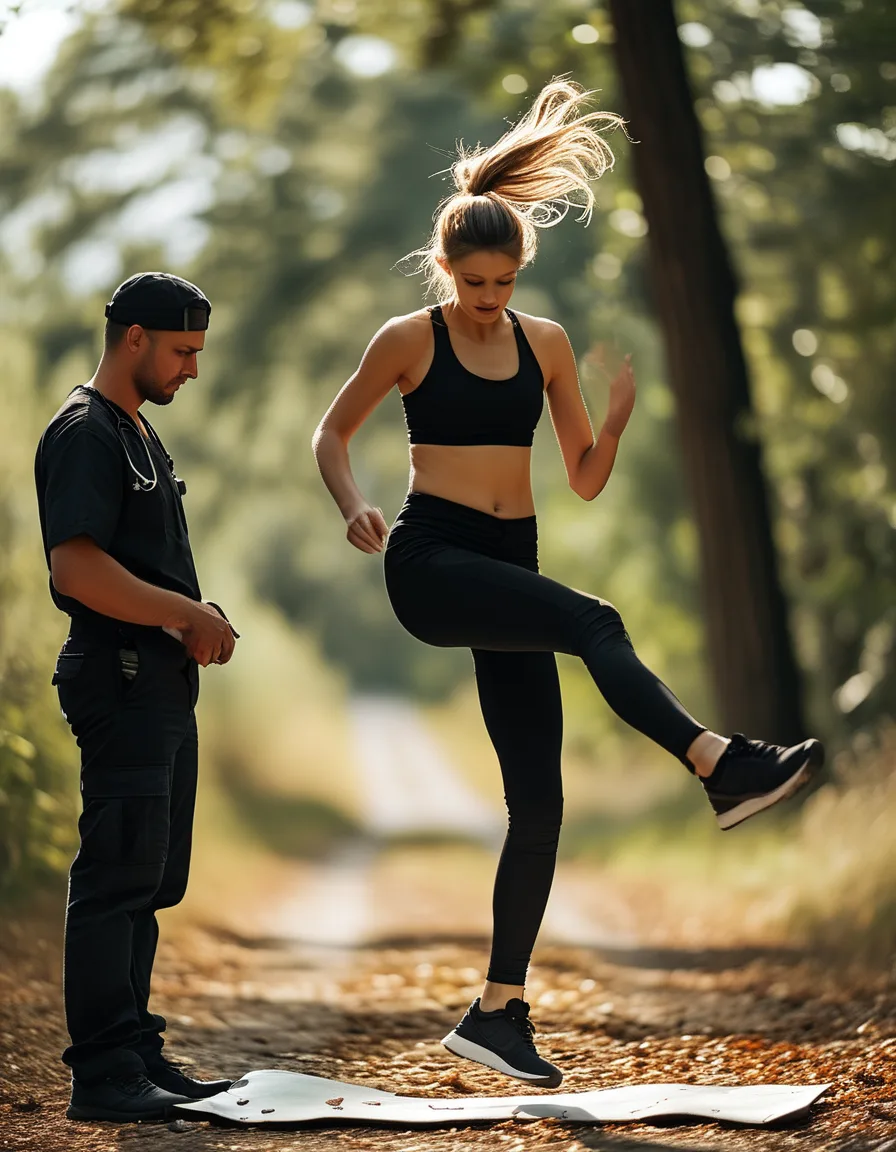
Here’s the part rarely discussed: many athletes pass every strength and hop test yet still visibly hesitate or subconsciously favor the injured side during actual sport movement. This isn’t weakness on paper — it’s a protective movement pattern the brain hasn’t unlearned yet.
Good return-to-sport protocols specifically screen for this asymmetry during dynamic, game-like drills, not just controlled single-movement tests, because a physically healed but mentally guarded athlete is still at elevated re-injury risk.
What does a full return-to-sport testing battery typically include?
- Strength symmetry testing (often via dynamometer) comparing injured versus uninjured side, targeting 90%+
- Hop testing — single hop, triple hop, and crossover hop for distance
- Movement quality screening during landing and cutting, watching for compensations like knee valgus
- Sport-specific drills at increasing intensity before full return, rather than jumping straight from rehab to a full game or match
FAQ: Return-to-Sport Testing Questions, Answered
How long after an injury can someone typically start return-to-sport testing?
It depends entirely on the injury and tissue healing timeline, but testing generally starts once pain-free full range of motion and baseline strength have been restored — a physical therapist determines the specific window.
What percentage strength symmetry is usually required to return?
Most protocols use 90% or greater compared to the uninjured side as a baseline threshold, though specific sports and injury types may set higher bars.
Can someone fail return-to-sport testing and what happens then?
Yes, and it simply means continuing targeted rehab and retesting later — proceeding despite failed tests is one of the most common preventable causes of re-injury.
TL;DR:
- Pain-free daily movement doesn’t confirm readiness for sport-level loads
- Hop tests and strength symmetry (90%+ threshold) are standard objective benchmarks
- A confidence gap can persist even after passing physical tests — sport-specific drills catch this
- Failing a test simply means more targeted rehab, not a setback to panic over
Real clearance is measured, not assumed — if you’re not sure what tests were used to clear you, that’s worth asking about.
Keep Reading
This article is for general informational purposes only and is not medical advice. Always consult a qualified health professional for guidance specific to you.